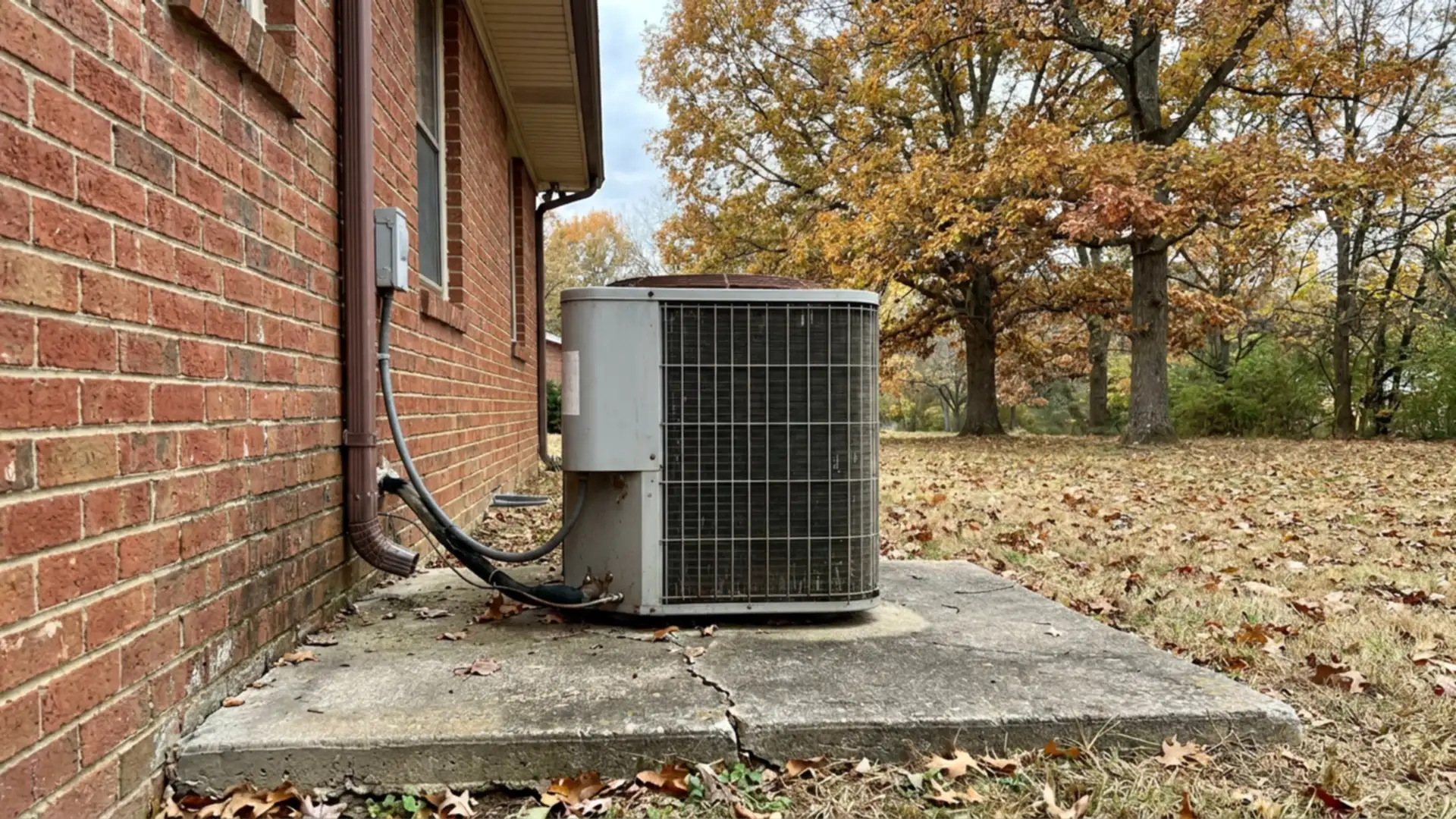
Heat pumps in Denver, CO & nearby towns
Heat Pump Cost in Denver
Heat pump cost in Denver depends on the system type and the scope of the job: the UniColorado 2026 page shows its own customers paying about $10,562–$15,504 for a cold-climate system after the rebates each one qualified for, Switch Together Denver lists $17,000–$30,000 before incentives, and an April 2026 comparison from On Time Heat & Air shows $8,500–$16,500 installed. They measure different things. For a price on your house, Get Free Estimate or call (303) 529-8713.
- Free installation estimate
- Insured local installer
- No obligation
Free Heat Pump Estimate
The installer sees your house, then quotes. No obligation.
Insured Local Heat Pump Installer
We connect you with one independent Denver-area installer
One Call, Not a Call List
Your details go to one installer, not a pile of sales calls
Price guides for this search are everywhere. Most hand you one range and no footnote. Below is what three providers showed on their public pages when we checked them on Sept. 28, 2026, with the fine print left in, because the fine print is where the real difference between these numbers lives. None of these companies is connected to this site. We quote them because they published numbers. We don't send them work.
| Source | Published number | What it covers | Date and condition |
|---|---|---|---|
| UniColorado (numbers from its own customers) | Out-of-pocket about $10,562–$15,504, median $13,708; gross pricing $20,752–$28,031 (cold-climate) and $24,347–$33,700 (fuller electrification) | Out-of-pocket figures are after whatever rebates each customer qualified for. Gross figures are before incentives. Cold-climate system vs. a larger electrification scope. | Page says updated April 27, 2026. Its rebate assumptions may be out of date. |
| Switch Together Denver | $17,000–$30,000 | A heat pump in general, before incentives. The page then describes possible incentives, a group-buy discount and a final quote after a site survey. | Public page as viewed Sept. 28, 2026 |
| On Time Heat & Air, April 2026 comparison | $8,500–$16,500 | Installed cold-climate heat pump, from a heat-pump-versus-furnace comparison. We didn't confirm its scope or incentive basis. | April 2026. Its tax-credit and rebate claims were not independently verified. |
You can't average these. People try. It produces a number nobody actually quoted, and here is why they don't blend:
- The scopes differ. UniColorado separates a cold-climate system from a fuller electrification job, Switch Together covers a heat pump in general, and On Time gives a cold-climate range from a comparison article whose included work we couldn't confirm.
- The incentive assumptions differ. The UniColorado out-of-pocket figures already subtract rebates those customers got, and the rules have moved since: the federal credit ended with 2025 installs, and the state air-source discount floor dropped from $499.95 to $333 for 2026. The Switch Together number is before incentives. The On Time basis we couldn't pin down.
- The systems and houses differ, too. A small ductless setup and a whole-house ducted cold-climate system aren't the same purchase. Each provider also serves customers living in different homes.
So you won't find a "typical Denver price" here. We could make one up. It would be wrong for most houses, and you'd find out at the kitchen table.

What pushes one Denver quote above another?
Two houses on the same block can get very different numbers. The equipment is part of it. The house decides a lot. These are the things that actually move the price, and a decent installer should walk you through each one before handing you a number, not after.
The size, from a real load calculation
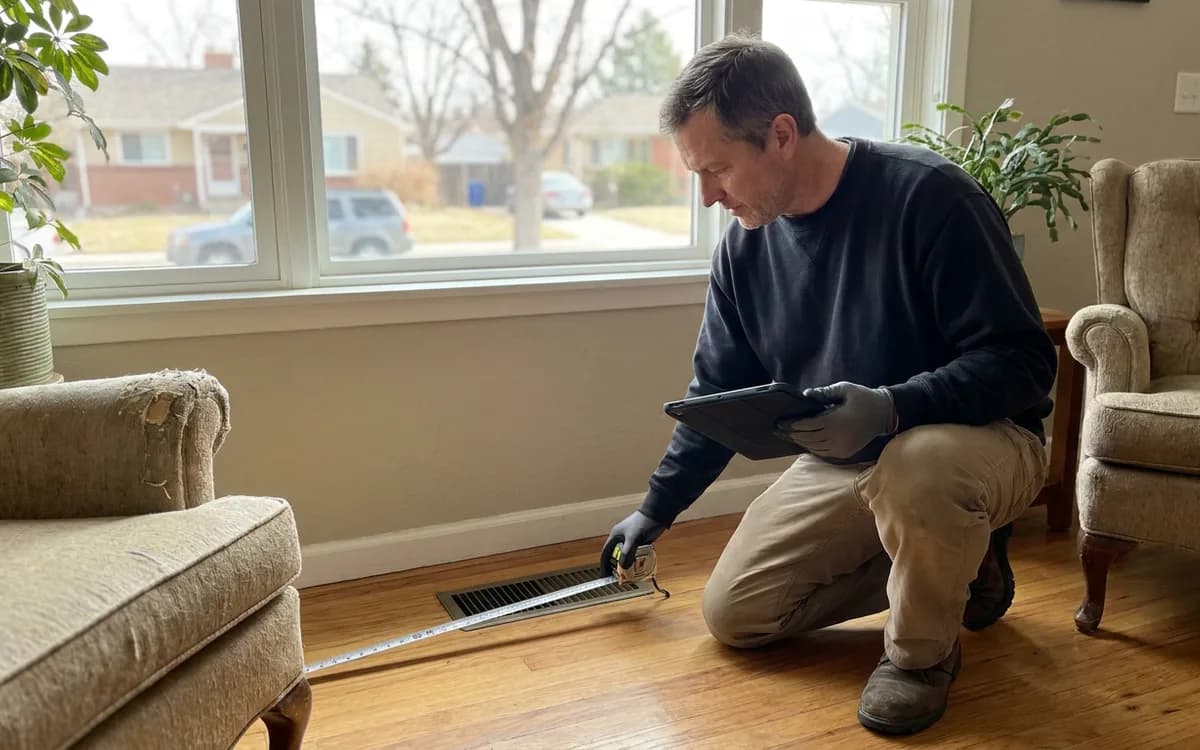
A proper install starts with a room-by-room heating and cooling load calculation, usually called a Manual J, which looks at your insulation, windows and layout instead of copying the size off the label on the old unit. Ask to see it. No calculation? You're paying for a guess.
Ducted or ductless
A ducted heat pump uses your existing ducts. Ductless systems mount indoor heads in the rooms they serve, which suits homes without ducts or additions the ducts never reached. The number of heads, and where the lines have to run, changes the labor.
Cold-climate tier or standard
Cold-climate models are built to keep heating in sub-zero weather. The Xcel 2026 spec for its cold-climate rebate tier gives you a yardstick: a coefficient of performance of at least 1.75 at 5°F, and heating capacity at 5°F of at least 70% of what the unit puts out at 47°F. Ask which tier a quote is built on. It changes both the equipment and the rebate math. Comparing sticker prices across tiers can fool you.
Whether your ductwork works as it is
Ducts that served a furnace for decades may or may not suit a heat pump. The installer should check them rather than assume. If sections need resizing, sealing or replacing, that's work you'll see on the estimate.
Panel capacity and a new circuit
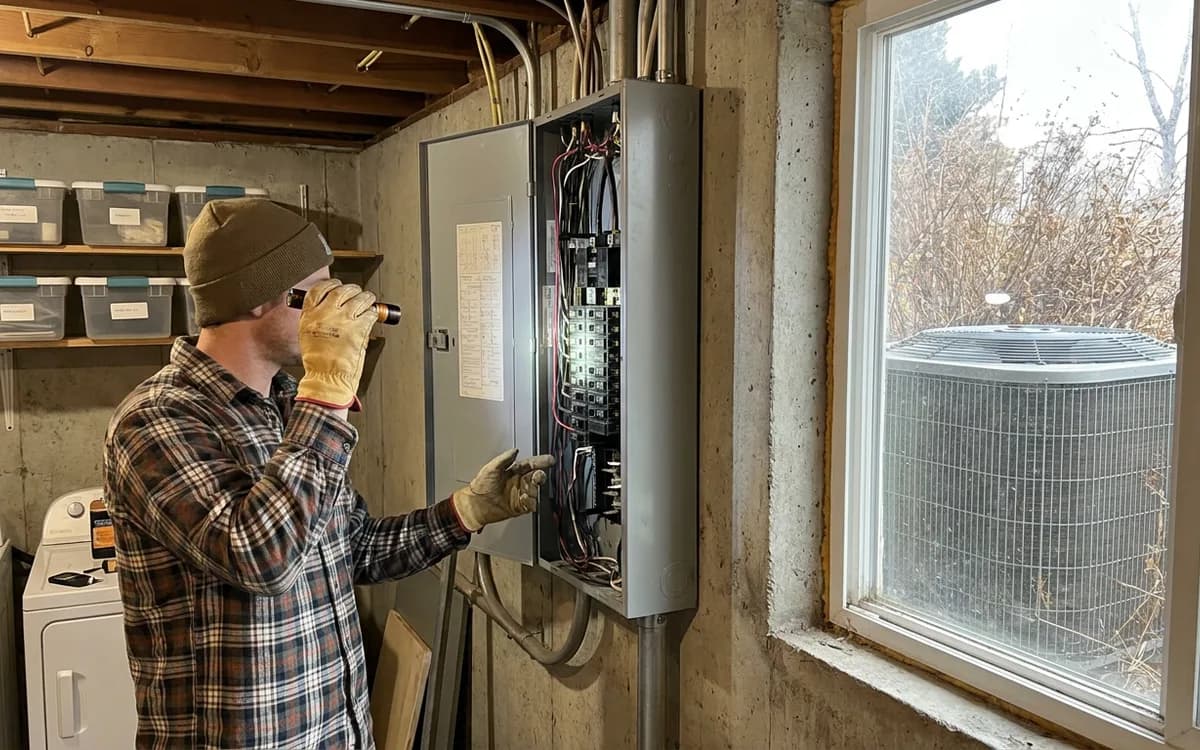
The installer checks whether your electrical panel has capacity for the new load and whether a new circuit is needed. Some houses are fine. Others need panel work first, and that's often the line that surprises people.
Keeping the furnace as backup
You can go all-electric, or keep your gas furnace as backup in a dual-fuel setup. The two paths change the equipment, the controls and possibly the electrical work. Undecided? Ask for both priced, so you're comparing real numbers instead of one number and a hunch.
Where the outdoor unit goes
Placement has to account for snow, drainage and clearance. The installer also plans the refrigerant line route and where the condensate drains. A short, simple run and an awkward one through a finished basement aren't priced the same.
The permit
Permit rules depend on your exact address. More on that below.
How much do 2026 rebates really take off?
Less than a lot of older articles suggest. It depends on your utility and your installer. Here is the short version as of Sept. 28, 2026; the full picture lives on our 2026 Denver heat pump rebates page.
- For an air-source heat pump installed on or after Jan. 1, 2026, the minimum discount you receive through the State of Colorado Heat Pump Discount is $333. It only comes through state-registered contractors, who show it on the invoice as "State of Colorado Heat Pump Discount." You don't file anything. The equipment has to be ENERGY STAR certified and AHRI-matched, and a space-heating system must be designed to meet at least 80% of your annual heating need. Ask whether your installer is on the state's registered list.
- If Xcel Energy is your utility, the rebate math runs per ton. Per the Xcel 2026 rebate summary effective Oct. 1, 2026, a ducted or mixed cold-climate air-source heat pump earns $750 per heating ton at 5°F standard, or $1,500 per heating ton with the bonus if you're eligible. A standard ducted or mixed air-source heat pump earns $300 per cooling ton at 95°F, or $600 with the bonus. Notice "heating ton at 5°F." That means rated capacity in the cold, not the nameplate size. The bonus needs an invoice dated in 2026, and it isn't available if your existing primary heat is electric. Rebate plus bonus can't exceed the invoiced project cost, and you need an Xcel participating contractor.
- The Colorado income-qualified HEAR rebate for single-family homes is closed here. Per the August 2026 state update, it's closed for Region 1, which includes Denver, Adams, Arapahoe, Jefferson, Douglas and Broomfield counties.
- The federal credit is gone for 2026 installs. The IRS says the Energy Efficient Home Improvement Credit covers improvements made through Dec. 31, 2025. Take tax questions to a tax professional.
- Denver has no standalone city cash rebate listed as of Sept. 28, 2026. The city pathway is a group buy for qualifying Denver homeowners.
Confirm eligibility with your utility and your installer before you count on any of it. Want to spread the cost out? Ask the installer what payment options they have. We don't offer financing.
Do you need a permit for this?
Probably. But the rule belongs to whoever governs your parcel, and that isn't always the city on your mailing address. A few examples we verified in 2026:
- In Denver, the city licenses mechanical contractors and requires permits for mechanical work, and its permit portal reminds applicants to check that the parcel is actually inside Denver.
- In Arvada, heat pumps are on the city list of new and replacement mechanical appliances that need an issued permit before work starts.
- In Centennial, the quick One-Stop permit covers like-for-like HVAC replacement. Swapping a furnace for a heat pump isn't like-for-like, so confirm with the Building Division which permit path fits.
- In Littleton, permit fees go through the eTRAKiT system, and the city warns about scammers demanding permit fees by gift card or wire. Don't pay that way.
Colorado has no statewide HVAC or mechanical contractor license, so licensing is local where it exists. Ask your installer who is pulling the permit. Make sure it shows up on the estimate.
What should the written estimate spell out?
A one-line quote that says "heat pump system, installed" tells you almost nothing. A useful one lists:
- Equipment model numbers for the outdoor unit and the indoor unit or air handler, plus the AHRI match, since the state discount requires AHRI-matched air-source equipment.
- Confirmation that the equipment meets the Xcel cold-climate spec, if the quote is counting on that rebate.
- The "State of Colorado Heat Pump Discount" line, if the installer is state-registered.
- Load calculation results and the capacity they picked.
- The permit, and who's pulling it.
- Electrical work, including any panel changes and a new circuit.
- Ductwork changes, or a note that none are needed.
- Removal of old equipment, and what stays if you're going dual fuel.
- Rebates the installer is handling, versus anything you'd claim yourself.
Line items let you compare two estimates honestly. A lump sum? You're guessing.
Why is the in-home visit the only real number?
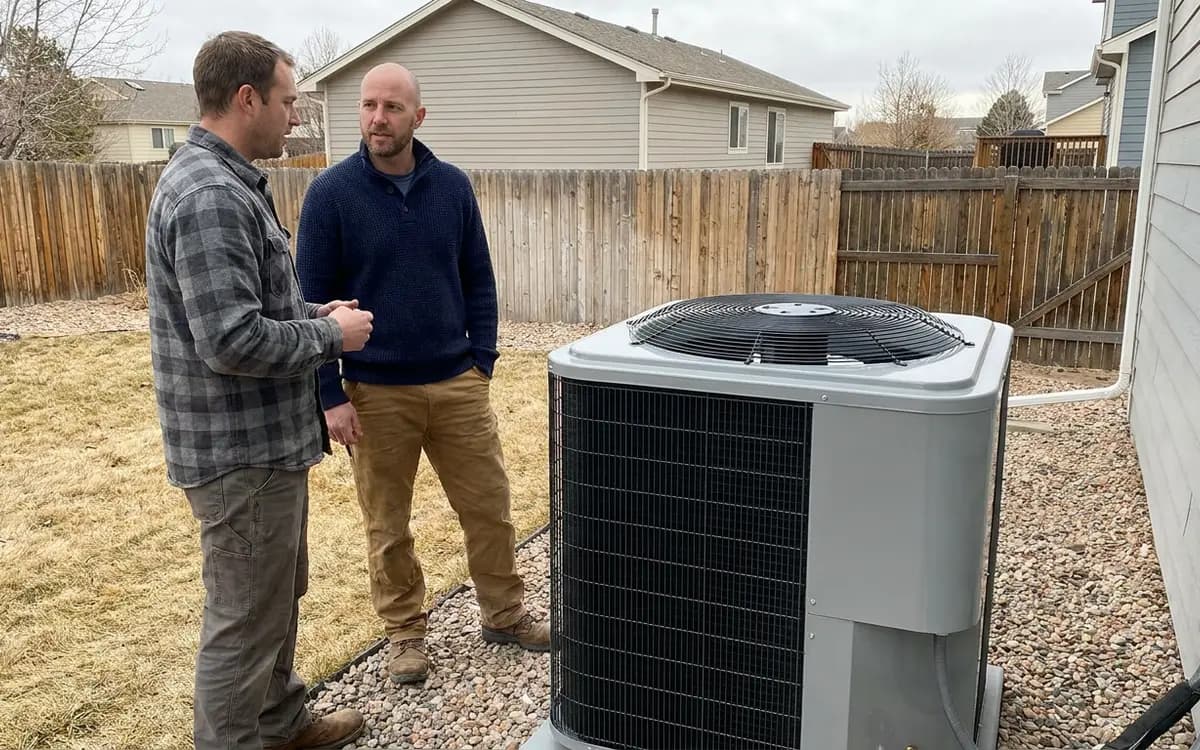
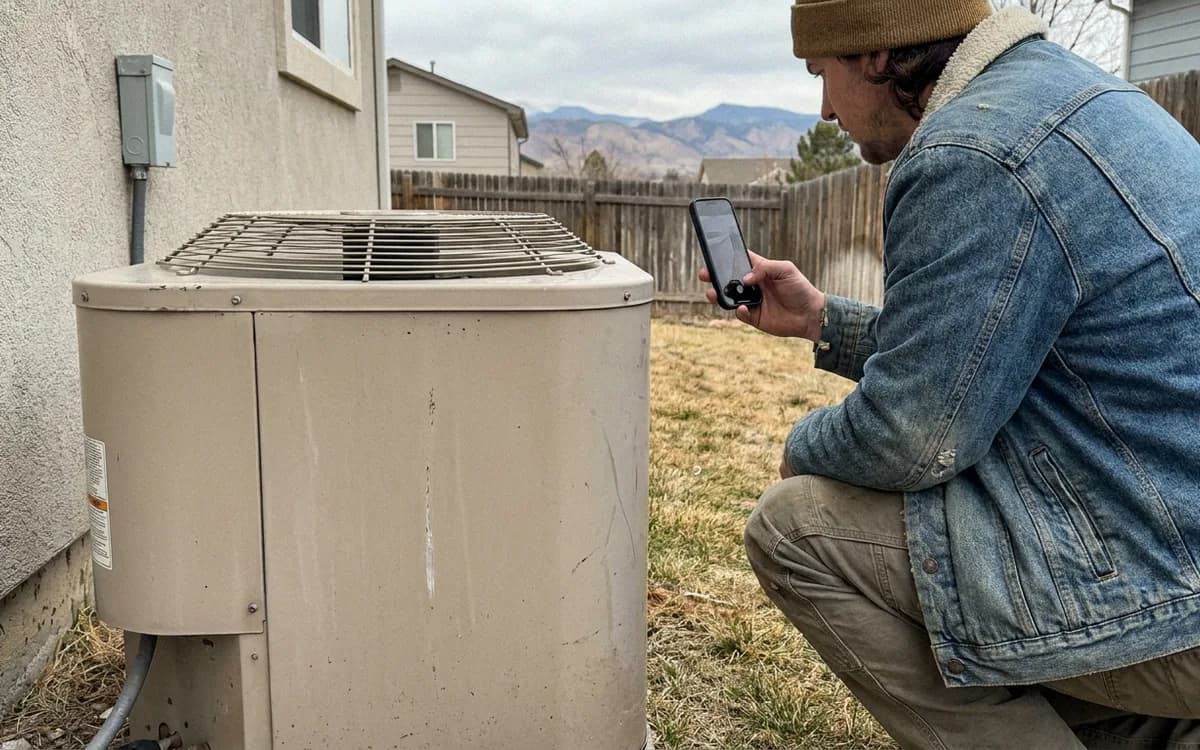
Every figure in that table came from somebody else's house. Your panel, your ducts, your yard and the permit rules for your parcel aren't in any of them. Even the City of Denver group-buy program describes an initial estimate followed by a home visit from the installer and then a final quote, so if a city program wants someone walking through the house before naming a price, an online range can't do it for you.
That's why we don't run a price calculator. Mixing these provider numbers would give you a range that no actual source ever published.
So how do you get a real number?
This site is a free referral service. We're not a contractor, a utility, a government program or an energy advisor. When you call (303) 529-8713 or fill out the form, we connect you with one independent, insured local installer. They look at the house and set the price after seeing it. The estimate is free. There's no obligation to buy.
Take the checklist above with you. Ask for model numbers, the AHRI match, the state discount line and a straight answer on the permit. If you want the bigger picture on the job itself, start with our Denver heat pump installation guide.
Get Free Estimate or call (303) 529-8713.
Ask Away
Heat Pump Installation Questions
How much does a heat pump cost in Denver?
It depends on the system type and the scope of the job, and there's no honest single Denver average. As published examples, UniColorado's 2026 page shows its own customers paying about $10,562–$15,504 for a cold-climate system after the rebates each one qualified for. Switch Together Denver lists $17,000–$30,000 before incentives, and On Time Heat & Air's April 2026 comparison shows $8,500–$16,500 installed. For a price on your house, call (303) 529-8713 for a free, no-obligation estimate from one insured local installer.
Why do Denver heat pump price guides disagree so much?
They measure different things. Some numbers are before incentives, while others already subtract rebates that customers got under older rules. The scopes also range from a single cold-climate system to a fuller electrification job. That's why the published figures can't be averaged into one trustworthy range.
How much is the Xcel heat pump rebate in 2026?
Per Xcel's 2026 rebate summary effective Oct. 1, 2026, a ducted or mixed cold-climate air-source heat pump earns $750 per heating ton at 5°F standard, or $1,500 per heating ton with the bonus if you're eligible. The bonus needs an invoice dated in 2026 and isn't available if your existing primary heat is electric. You have to be an Xcel customer using an Xcel participating contractor, so confirm with Xcel and your installer. The full picture is on our Denver heat pump rebates page.
Can I get the federal tax credit for a heat pump installed in 2026?
No. The IRS says the Energy Efficient Home Improvement Credit applies to improvements made through Dec. 31, 2025, so a heat pump installed in 2026 doesn't qualify. Check any tax questions with a tax professional.
What is the State of Colorado Heat Pump Discount?
It's a discount that only state-registered contractors can give, shown on your invoice as a line labeled "State of Colorado Heat Pump Discount." For an air-source heat pump installed on or after Jan. 1, 2026, the minimum discount you receive is $333, and you don't file any paperwork. Ask your installer whether they're on the state's registered list before you sign.
Is the estimate really free, and who gives it?
Yes. The estimate is free and there's no obligation. We're a referral service, not a contractor, and we connect you with one independent, insured local heat pump installer who sets the price after seeing your house. Call (303) 529-8713 or use the form at Get Free Estimate.
Thinking about a heat pump?
We'll connect you with one local, insured heat pump installer. They see the house, then set the price. No obligation to buy.