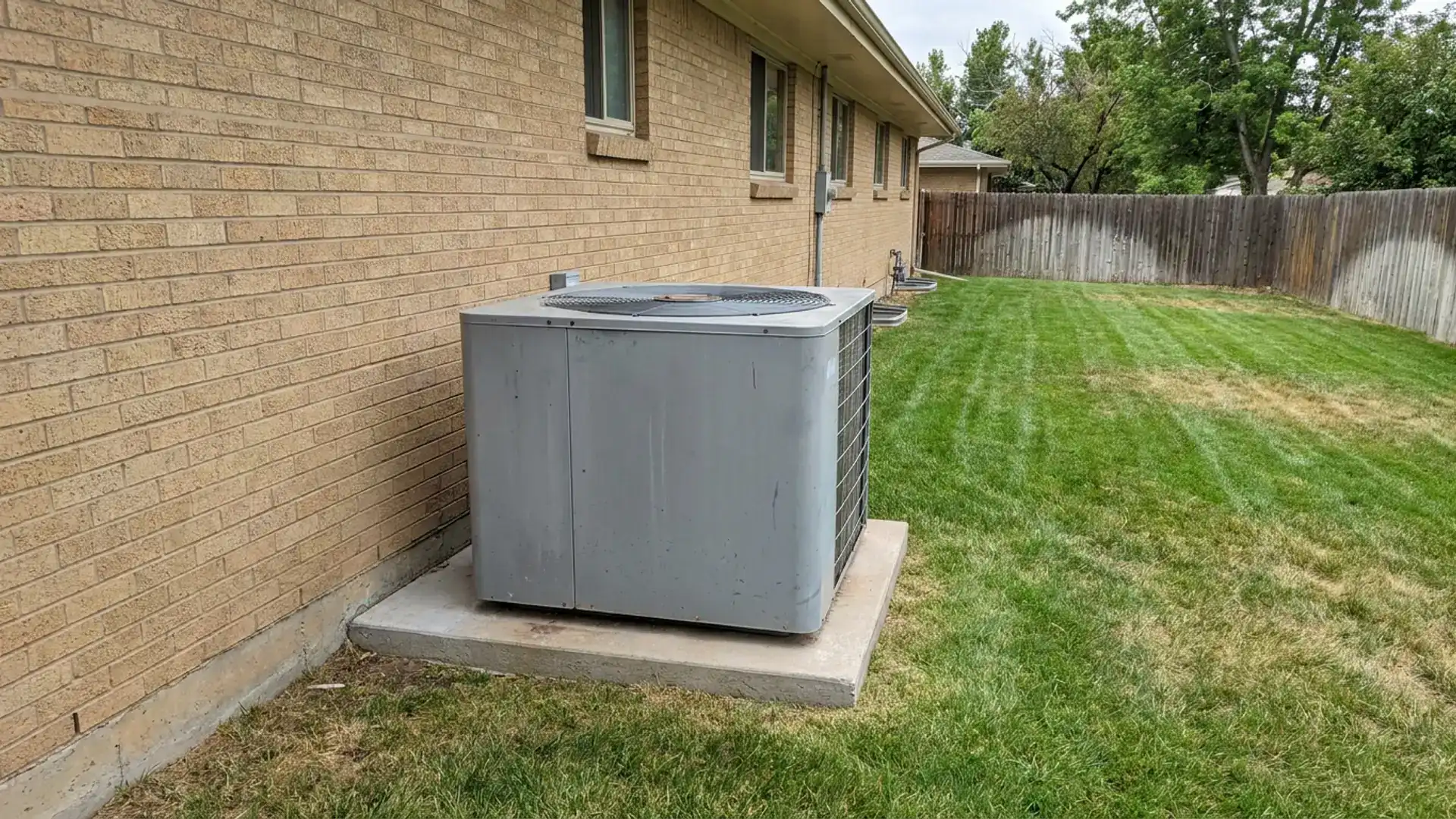
Heat pumps in Denver, CO & nearby towns
Heat Pump Installation in Centennial, CO
Heat Pump Installation Denver is a free referral service that connects Centennial homeowners with one independent, insured local installer for a free, no-obligation heat pump installation estimate. Before that visit, it helps to answer one question about your project: is it a like-for-like swap, or a conversion? In Centennial, that answer decides which permit you're likely to need. Call (303) 529-8713 or Get Free Estimate.
- Free installation estimate
- Insured local installer
- No obligation
Free Heat Pump Estimate
The installer sees your house, then quotes. No obligation.
Insured Local Heat Pump Installer
We connect you with one independent Denver-area installer
One Call, Not a Call List
Your details go to one installer, not a pile of sales calls
Every heat pump job in Centennial lands in one of two piles. A swap pulls out a unit and puts back the same kind of unit. A conversion changes what heats the house: a gas furnace gives way to a heat pump, or the old central AC comes out and a heat pump takes over both jobs.
That sounds like trivia. It isn't. The quickest permit path in the city is written for the first pile, and most people shopping for a heat pump are in the second.
Here's a rough way to sort yourself:
- You already have a heat pump and you're replacing it. Possibly a swap. Still ask the city.
- Replacing a gas furnace with an all-electric heat pump? That's a conversion.
- Keeping the furnace as backup and swapping the AC for a heat pump (dual fuel)? The equipment type is changing, so treat it as a question for the Building Division, not an assumption.
- Adding ductless heads to rooms that never had them? That is new equipment, not a replacement.
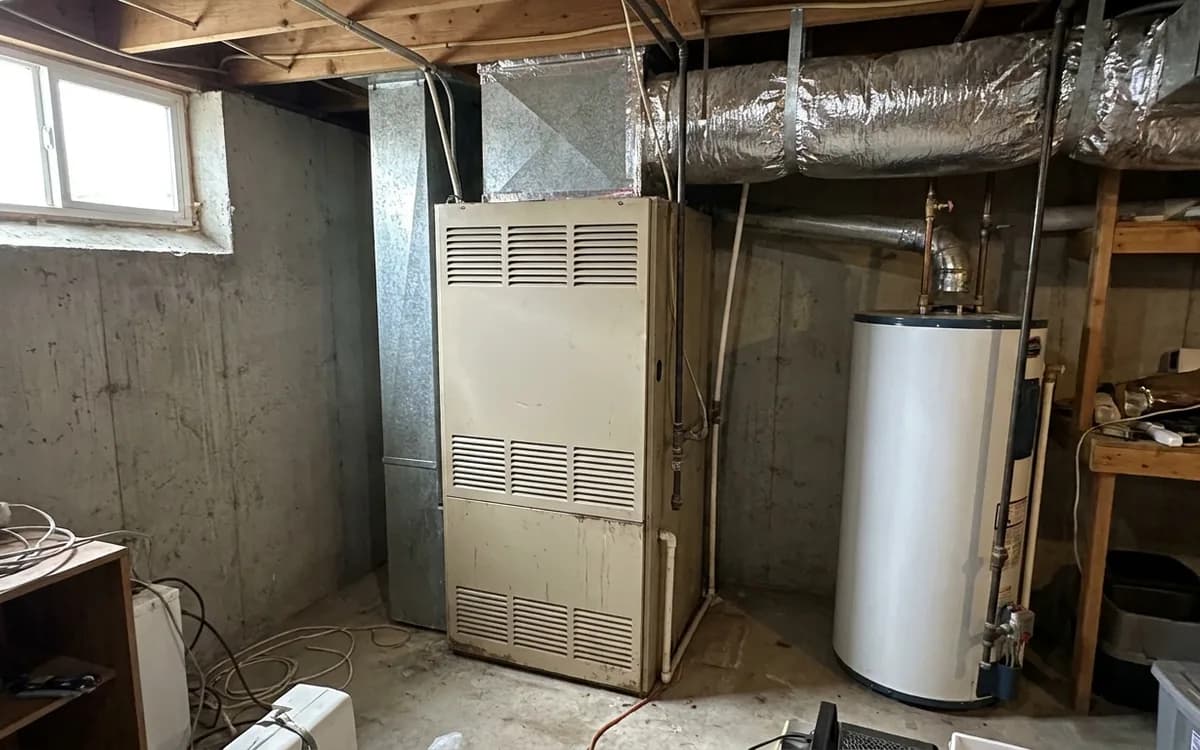
The pile you're in also shapes the estimate. A true swap mostly reuses what is already there. A conversion can touch the electrical panel, add a circuit, move the outdoor unit and reroute refrigerant lines, and nobody can price that from a phone call.
Where do conversions fall off the One-Stop permit lines?
The Centennial Building Permit Classifications page (re-checked September 2026) lists a One-Stop permit for "Air Conditioner (AC)/Furnace/Water Heater," described as "the replacement of existing HVAC units or water heaters like for like." A second One-Stop line, "Electric Service Change," covers "replacement of a service or components of the service without additional loads."
Two phrases do the work there: "like for like" and "without additional loads." A furnace-to-heat-pump conversion isn't like for like. And if your panel needs an upgrade because the heat pump adds load, that falls outside the One-Stop service-change description too. The city also lists a Residential Miscellaneous category for "small short-term projects to include electrical, plumbing, mechanical and/or architectural changes." Whether your job belongs there is the city's call. It is not ours, and it shouldn't be a guess.
So ask before work starts. The Centennial Building Division is at 303-754-3321 and buildingdivision@centennialco.gov. Give them your exact address and a plain description: what's coming out, what's going in, and whether the electrical service is changing. You'll get a better answer from three clear sentences than from "I'm getting a heat pump."
Two more things worth knowing:
- Permits depend on the exact address, so confirm your parcel sits inside Centennial city limits. Highlands Ranch, for example, is unincorporated Douglas County and goes through the county instead; see heat pump installation in Highlands Ranch.
- Colorado has no statewide HVAC contractor license. Local rules vary, so ask the Building Division what it requires of whoever pulls the permit.

What a 1970s-to-1990s house asks of a heat pump
Census ACS 2024 1-year figures put the median year built in Centennial at 1984, across 42,799 housing units. By decade, 26.6% were built in the 1970s, 24.6% in the 1980s and 18.7% in the 1990s. Another 11.7% date to the 1960s. Newer homes are the minority: 6.7% from 2000 to 2009, 5.8% from the 2010s, and 3.1% from 2020 or later.
If you live here, there's a good chance your house comes from one of those three big decades. That doesn't dictate the system. It does tell you what the installer ought to look at closely:
- Start with a load calculation, not a copy of the old unit. A proper install begins with a room-by-room heating and cooling load calculation (Manual J). Matching the nameplate on whatever is in the basement now is how houses end up with the wrong size.
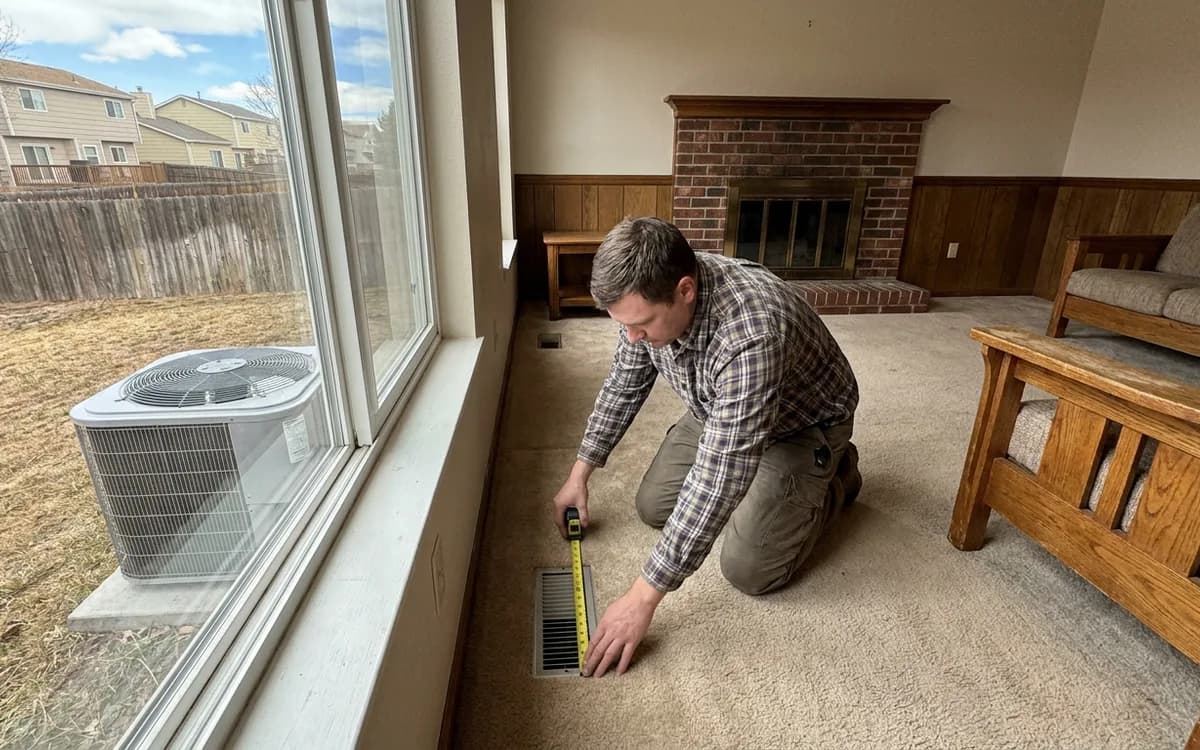
- A ducted heat pump uses the ductwork you already have, so the installer checks whether yours will work with it. A finished basement or an addition that has always been chilly might be a better fit for ductless heads.
- The installer checks your electrical panel capacity and whether a new circuit is needed. If the answer is a service upgrade, circle back to the permit section above.
- Snow, drainage and clearance decide where the outdoor unit goes. The spot where the old AC condenser sat isn't automatically the right one.
- Refrigerant line routing and the condensate path both get planned, not improvised.
Then there's the big choice: all-electric, or dual fuel that keeps the gas furnace as backup. Both are legitimate. If you go all-electric, ask about cold-climate models. Per the Xcel 2026 rebate summary effective Oct. 1, 2026, its cold-climate tier calls for a COP of at least 1.75 at 5°F and 5°F capacity of at least 70% of the 47°F rating.
Which 2026 incentives are actually on the table?
Short version, as of September 2026. Confirm eligibility with your utility or installer, since programs change.
- The State of Colorado heat pump discount applies to air-source heat pumps installed on or after Jan. 1, 2026: a state-registered contractor must pass along a discount of at least $333, shown on the invoice as "State of Colorado Heat Pump Discount." You don't file anything. Ask whether your installer is on the state's registered list, and look for that line.
- Xcel rebates apply only if Xcel is your utility, so confirm that by address first. Per the Xcel 2026 rebate summary effective Oct. 1, 2026, a ducted or mixed cold-climate air-source heat pump earns $750 per heating ton at 5°F standard, or $1,500 per heating ton at 5°F with the bonus. The bonus needs an invoice dated in 2026, and it isn't available if your existing primary heat is electric. Xcel requires a participating contractor.
- The federal 25C credit covers improvements made through Dec. 31, 2025, according to the IRS. A heat pump installed in 2026 doesn't qualify. Take tax questions to a tax professional.
- The state income-qualified rebate for single-family homes is closed on the Front Range, per the Colorado Energy Office August 2026 update.
Details live on the heat pump rebates page. For what installs tend to run, see the heat pump cost guide.
What happens after you ask for an estimate
You call (303) 529-8713 or fill out the form, and we connect you with one independent, insured local installer. That's the whole handoff. We aren't the contractor, the utility, a government program or an energy advisor. (If you want a free advisor, Power Ahead Colorado, a DRCOG program, offers one.)
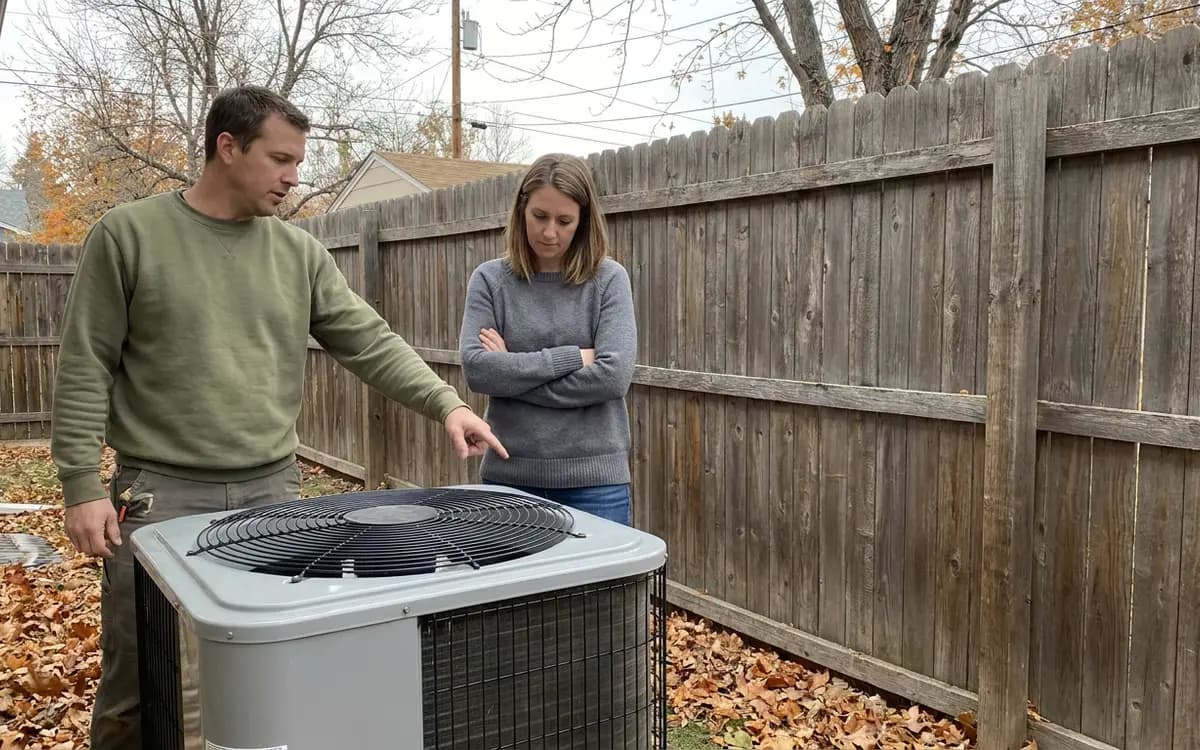
The installer comes out, looks at the house and sets the price. Not before. The estimate is free and there's no obligation to hire anyone.
You'll get more out of that visit if you show up with a few answers:
- Swap or conversion, based on the list up top
- Anything the Building Division told you about your permit path
- Whether you're leaning all-electric or dual fuel
- Your utility, so rebate paperwork starts on the right foot
If you're not sure your street counts as Centennial, check our service areas. Otherwise, call (303) 529-8713 or Get Free Estimate and start with the question that sorts everything else.
Ask Away
Heat Pump Installation Questions
Who issues permits for a heat pump installation in Centennial?
For addresses inside Centennial city limits, the city's Building Division handles building permits. You can reach it at 303-754-3321 or buildingdivision@centennialco.gov. Permits depend on the exact address, so confirm your parcel is actually in the city before anyone applies.
Does replacing my furnace with a heat pump qualify for Centennial's One-Stop permit?
Probably not as written. Centennial's One-Stop permit for AC, furnace and water heater work describes "the replacement of existing HVAC units or water heaters like for like," and a furnace-to-heat-pump conversion isn't like for like. Ask the Building Division at 303-754-3321 which permit path fits your project before work starts.
My Centennial house was built in the 1980s. Does that change the install?
It's common here: Census ACS 2024 1-year data puts Centennial's median year built at 1984, with 24.6% of homes built in the 1980s. The age alone doesn't dictate the system, but the installer should check your ductwork, electrical panel capacity and whether a new circuit is needed. If the panel needs an upgrade for added load, that falls outside Centennial's One-Stop electric service change line, so confirm the permit path with the city.
Is a heat pump permit in Highlands Ranch handled the same way as in Centennial?
No. Highlands Ranch is unincorporated Douglas County, so permits go through the county building division, not Centennial's. The Douglas County basic online mechanical permit covers replacement work that needs no plan review, and a conversion with electrical changes may not qualify. See heat pump installation in Highlands Ranch or call (303) 529-8713 to get a free estimate.
Thinking about a heat pump?
We'll connect you with one local, insured heat pump installer. They see the house, then set the price. No obligation to buy.